A guide, not advice. This explains how things generally work. A licensed insolvency practitioner will tell you what applies to your company or to you.
What are the common warning signs of business insolvency?
Insolvency rarely arrives unannounced - it telegraphs itself for months through a recognisable sequence of signs, and directors who recognise them early keep options that late-stage companies have lost.
In this guide you'll learn the operational, financial, and legal warning signs, the two formal insolvency tests, and what to do in the week you recognise your company in this list.
Reading a page like this is often itself the sign - so if these patterns feel familiar rather than theoretical, it's a good idea to treat that recognition as the prompt to act.
The early signs: cash flow strain
Persistent pressure at the same points every month - payroll, rent quarter days, VAT deadlines.
Using the VAT and PAYE money as informal working capital between deadlines.
Choosing which suppliers to pay - the "creditor triage" meeting that becomes a fixture.
Maxed overdrafts and directors lending personal money in to cover shortfalls - a pattern worth pausing on, because putting more personal money into a failing company often increases what's lost without changing the outcome.
Individually these are pressure; as a monthly pattern, they're the cash flow test failing in slow motion.
The escalation signs: creditor pressure
Final demands and statutory demands - the latter a formal precursor to a winding up petition.
County Court Judgments appearing against the company - visible to credit insurers and suppliers, who respond by tightening terms, which tightens cash further.
HMRC arrears moving from letters to calls to enforcement visits.
Suppliers moving you to pro-forma; credit insurers pulling cover; the bank asking questions.
Each of these is a creditor concluding the company is a risk - and their collective reaction typically accelerates the decline that triggered it.
The structural signs: the business beneath the numbers
Losing a customer that represented too much of turnover.
Margins that no longer cover overheads at realistic volumes - a business model problem no payment plan fixes.
Accounts filed late, management information months old, decisions made on the bank balance - not because directors are careless, but because looking has become frightening.
Key staff leaving; the director's own health and sleep deteriorating - the human signs are data too, and our experience is they usually lag the financial reality by months, not lead it.
The two legal tests
The law defines insolvency two ways, and failing either counts.
The cash flow test: the company cannot pay its debts as they fall due.
The balance sheet test: liabilities - including contingent ones - exceed assets.
The moment a director knows, or should know, the company can't avoid insolvent liquidation, their legal duty shifts to protecting creditors - which is why recognising these signs isn't just prudent management but a matter of personal legal exposure.
What should I do in the week I recognise these signs?
Stop the bleeding first: no new credit you doubt the company can repay, no asset movements, no paying favoured creditors ahead of others.
Get current numbers - a simple 13-week cash flow and a complete creditor list beat perfect accounts arriving too late.
Then take licensed advice - because at the early-signs stage, the full menu is still open: Time to Pay, restructuring, administration for a rescuable business, or an orderly CVL if the honest answer is that the model no longer works - all mapped in our guide to your options when insolvent.
The pattern we see weekly: directors wait an average of many months between recognising these signs and making the first call, and every one of those months costs options.
Call our licensed insolvency practitioners in Manchester on 0333 023 5090 - confidential, free, and directly with an ICAEW-licensed IP who will tell you honestly whether what you're seeing is a rough patch or the real thing.
InsolvencySupport.co.uk is operated by Xeinadin Corporate Recovery Limited (company no. 11415156), 100 Barbirolli Square, Manchester M2 3BD. Our insolvency practitioners are licensed and regulated by the ICAEW.
This article is intended for general information purposes only and does not constitute financial, legal, or professional advice. Always take advice from a licensed insolvency practitioner about your specific position.
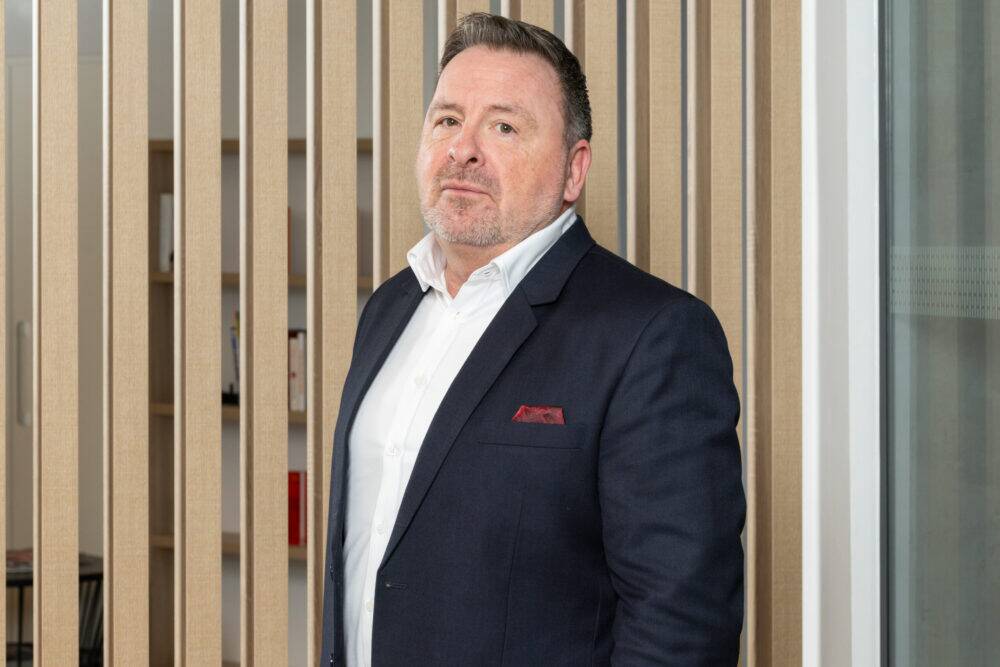
Reviewed by Alan Fallows, Licensed Insolvency Practitioner, ICAEW.